Document 5: June 2026 – INSPIRE “Artisan” | Dexterous Hands in Full Force, World Humanoid Robot Games Energy Transfer Leg 2 Successfully Concluded
Following the tea-picking and tea-processing challenge in Fuding, Fujian, the 2026 World Humanoid Robot Games “Energy Transfer” domestic second stop arrived in Bazhong, Sichuan. This time, the world’s humanoid robot athletes dove headfirst into the Chinese Dragon Boat Festival scene—dragon boat racing, zongzi-making, glutinous rice cake pounding, shadow puppet performances, and event services. Sounds like a Dragon Boat Festival cultural experience? No—this was a rigorous real-world examination!
At this stop, humanoid robots achieved the first-ever real-water dragon boat racing. This wasn’t a lab simulation but an actual launch into the water, racing alongside human athletes on the same river.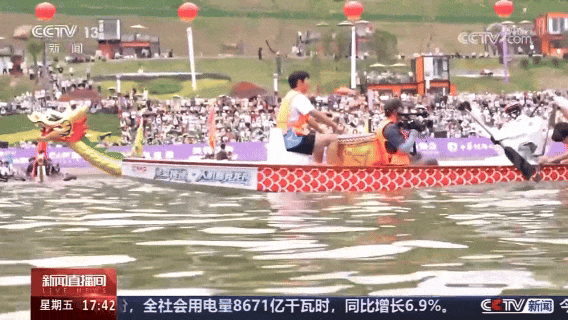
In dragon boat racing, the greatest challenge is resisting water resistance—none of the teams realized how difficult it would be to firmly grip the oars before entering the water! River currents and flow speeds are constantly changing. What does this mean for dexterous hands? It means maintaining stable gripping under the triple pressure of high-frequency vibration, strong resistance impact, and hot-humid environments. Therefore, the test for dexterous hands at this stop was exceptionally rigorous: they had to precisely replicate the oar-gripping gesture while maintaining stable grip amid the undulating conditions, ensuring the oar never slipped. The RH5DG2 high-DOF dexterous hand, with its robust motion control capabilities and powerful grip, withstood the test in the high-temperature, high-humidity aquatic environment.
Zongzi-making involves numerous complex steps—rice washing, rice scooping, wrapping, and tying—each demanding precision and proper force application. What does this mean for dexterous hands? It means not only going into the water but also scooping out soaked glutinous rice without allowing even a single grain to enter the structural gaps and affect motion. 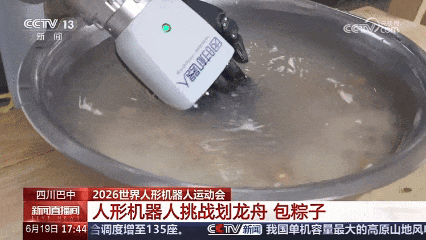 The RH56F02 was fully submerged in water, smoothly performing rice washing and scooping operations. The significance of waterproofing goes beyond “ability to go underwater”—full-hand submersion means waterproof treatment must cover every joint and moving component, imposing higher requirements on electrical system stability and continuous underwater operation capability. In the rice-scooping segment, the dexterous hand, with its sustained reliable operation, verified the feasibility of the waterproof solution in real operational scenarios.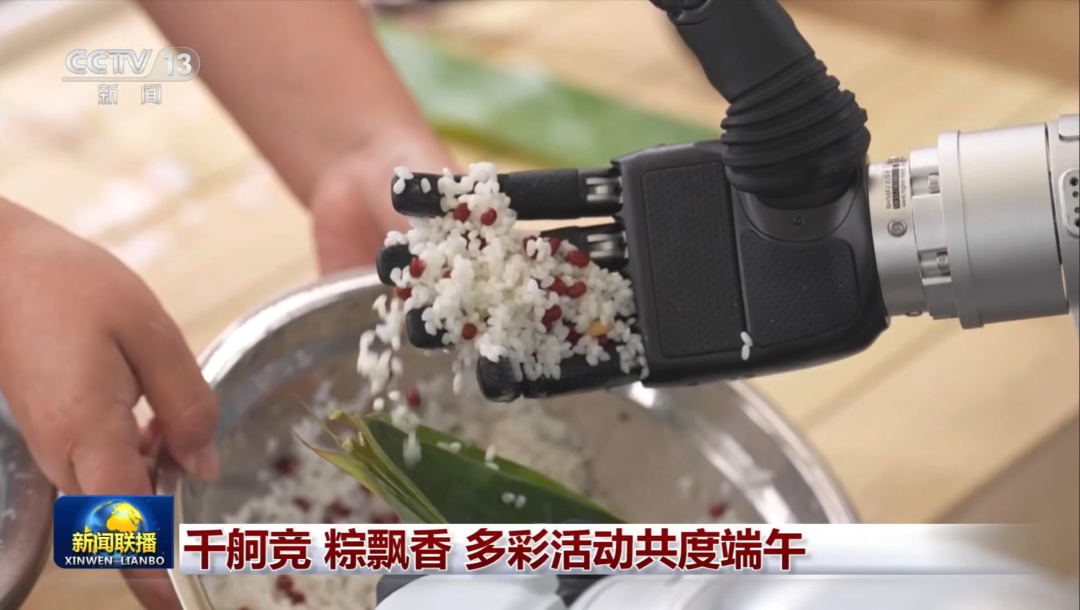
Glutinous rice cake pounding is labor-intensive—repeated pounding, high-temperature steam, and intense vibration—posing a significant test for any precision equipment. 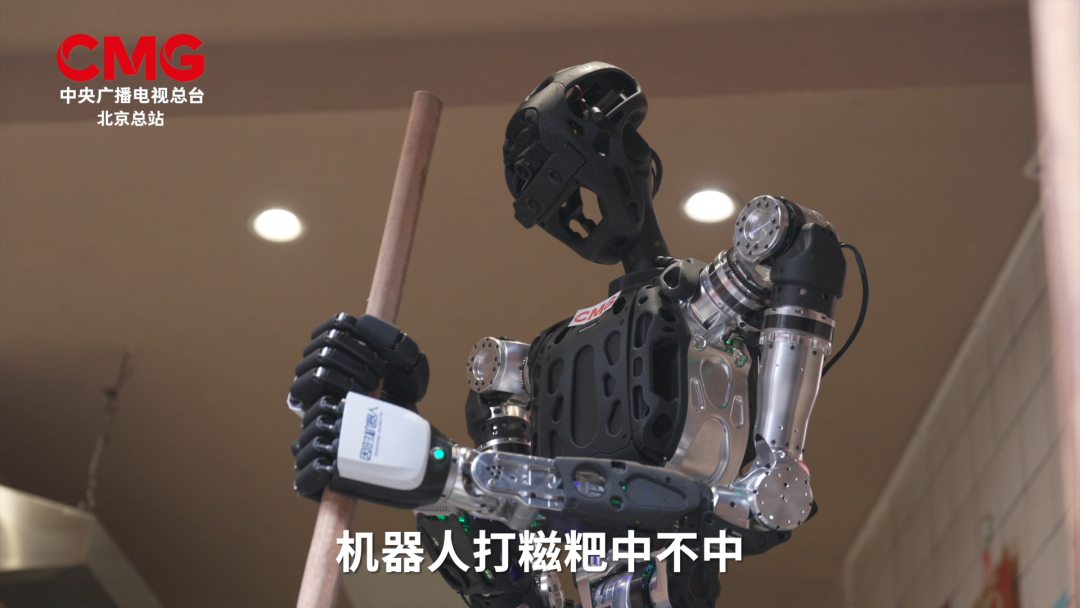 The RH56E2 industrial-grade dexterous hand rose to this challenge. With a fingertip output force of 3kg, it steadily gripped the wooden mallet and completed continuous pounding motions, with its shock resistance proven through the “hammer” test! Facing high-frequency impact and vibration, the entire hand structure remained stable with no loss of grip. As the rice cake became stickier and the mallet harder to pull out, the E2 held up throughout the 1-hour live broadcast. As the strongest dexterous hand currently available on the market, the E2 proved its capability in this real-world challenge.
If the previous challenges tested “strength” and “endurance,” shadow puppet performance tested true “dexterity.” At this “Energy Transfer” event, humanoid robot athletes joined children from Bazhong Zaolin Elementary School to perform a非遗 shadow puppet show of “Wu Song Fights the Tiger.” The robots’ delicate handwork drew thunderous applause.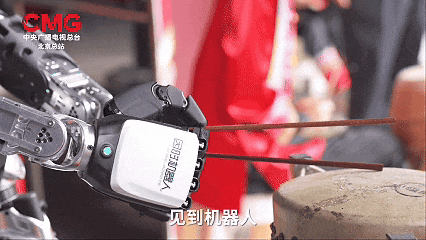
The RH56E2 and RH56F02 made a joint appearance—not only withstanding high humidity and strong vibrations but also performing traditional arts with refined “finger skills.” This opens up possibilities for dexterous manipulation to empower more creative scenarios.
The event venue was crowded with constantly changing foot traffic—completely different from the structured industrial environments of factories.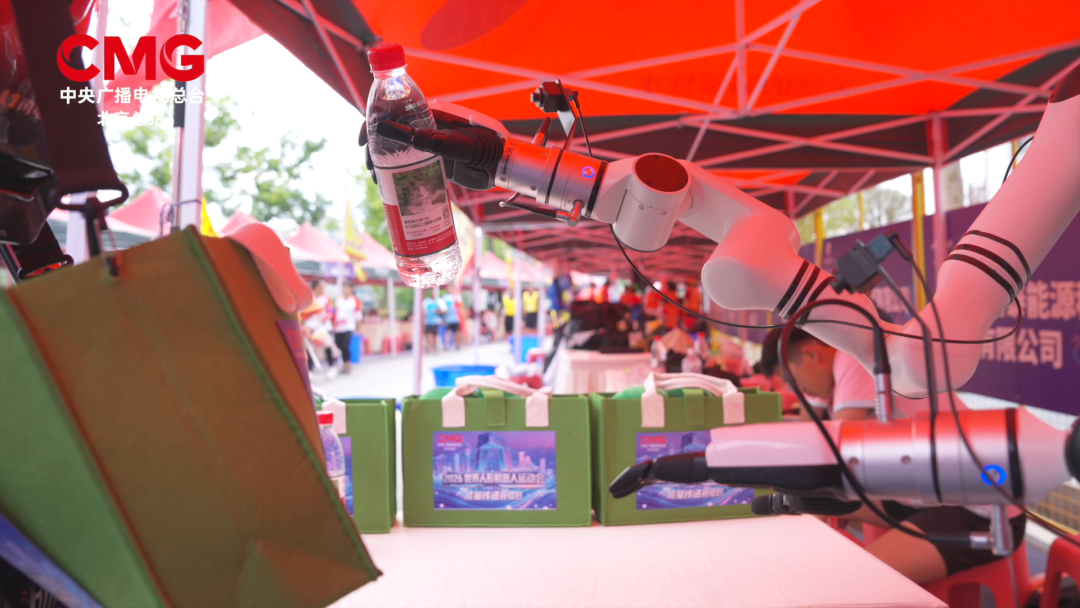
The RH56F1 undertook event service tasks including water and supply bag delivery. Though simple in terms of grasping and placement, operating repeatedly under high-temperature, sun-exposed outdoor conditions posed a continuous test of the dexterous hand’s reliability. The RH56F1 maintained stable output throughout continuous hours of operation with zero gripping errors, demonstrating through solid performance that “basic skills are also a form of strength.”
From water paddling to rice-washing and zongzi-making, from pounding rice cakes to manipulating shadow puppets, to event services under high-temperature conditions—INSPIRE dexterous hands proved themselves versatile, capable of both delicate and powerful tasks. Behind this is the continuous expansion of technological boundaries and a compelling answer to the question “What can humanoid robots truly do?” At this Energy Transfer stop, the dexterous hands showed “full strength.” Through cross-industry collaboration with different robotics companies, they demonstrated exceptional adaptability and compatibility, further confirming that INSPIRE dexterous hands can confidently handle various scenarios and extreme tests.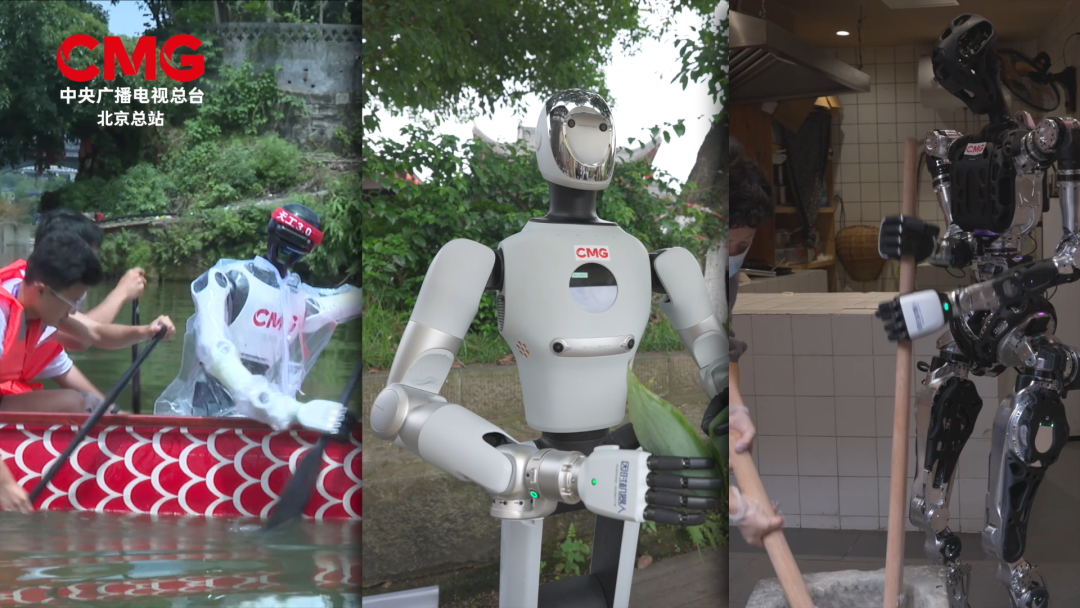
As the “Energy Transfer” initiative’s original intention states—by having humanoid robots take on distinctive tasks to unlock new application scenarios in traditional culture, production, and services—this is essentially a collective test of robots’ environmental adaptability, autonomous operation capability, and practical service ability, driving technological iteration and industrial upgrading through scenario-based challenges.